Most olive oil in American stores comes from Spain, Italy or Greece. Lebanese olive oil is rarer, and people who taste it for the first time often notice it right away: smooth, fruity, green, with a gentle peppery finish. That taste comes from the trees, the land and the way the olives are picked.
Some of the oldest olive groves in the world
Olives have been grown in Lebanon for thousands of years, and some trees in the country are among the oldest living olive trees anywhere. In South Lebanon, many family groves are passed down for generations. Our own trees in Klayaa – Deir Mimas are more than 300 years old. Old trees grow deep roots and produce smaller crops, and families who keep them tend to treat each harvest with care.
The Souri olive
Lebanon's best-known olive variety is the Souri, named after the ancient city of Tyre (Sour) in South Lebanon. Souri olives are known for oil that is balanced and fruity, with notes of green herbs and a light bitterness and pepper. Daher Olive Oil is pressed from Souri olives grown in our family groves.
Mountain sun and Mediterranean air
South Lebanon's groves sit on hillsides between the Mediterranean coast and the mountains: hot, dry summers, cool nights and rocky soil. Many groves are rain-fed rather than irrigated. These conditions shape how the olives ripen, and that comes through in the flavor.
Picked by hand, in small batches
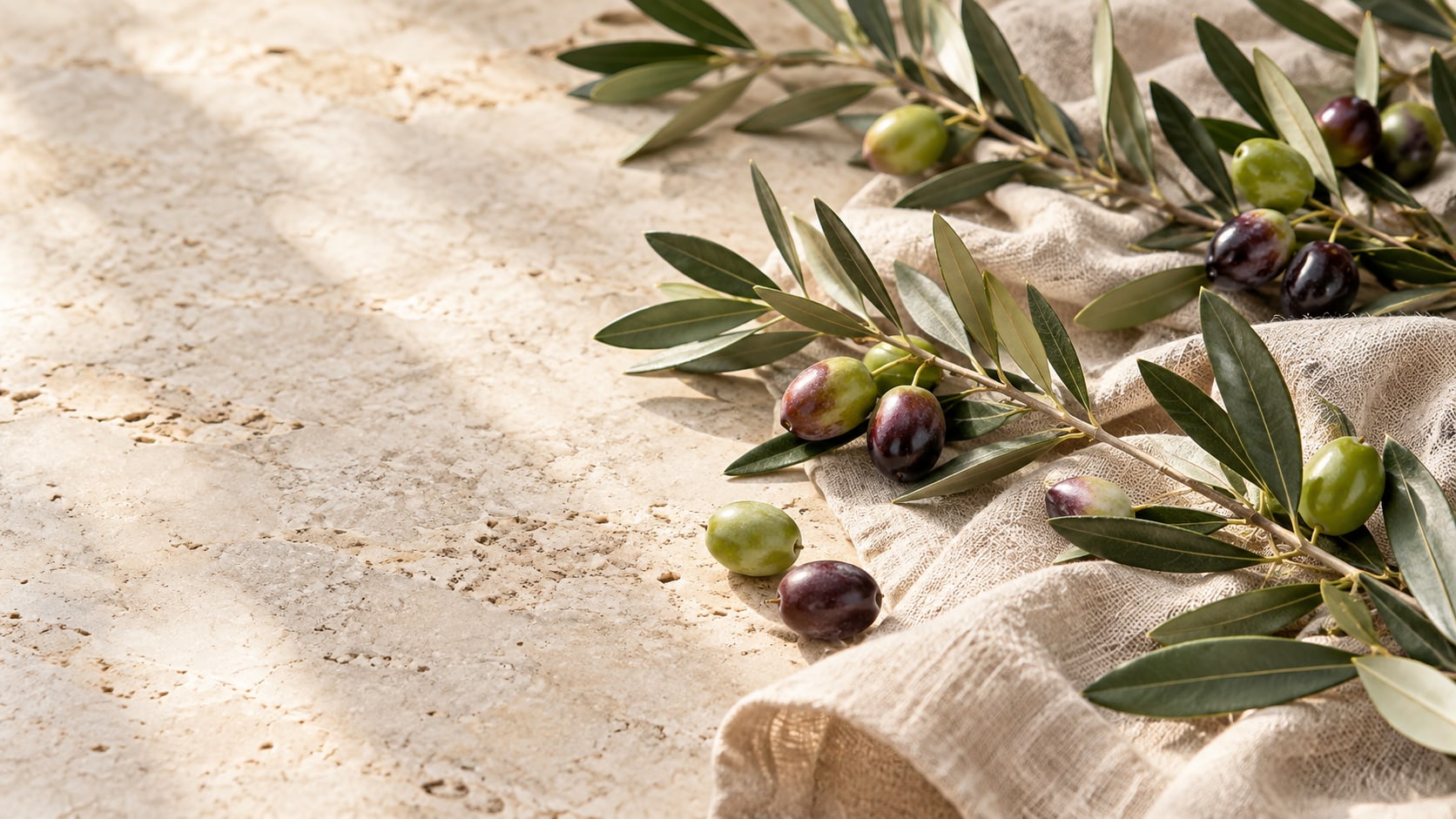
In many Lebanese villages, the harvest is still a family event. Olives are picked by hand or gently shaken onto nets each autumn, then taken to a local press. Handpicked olives arrive with fewer bruises, which helps keep the oil fresh-tasting.
First cold pressed, bottled unfiltered
Our olives are first cold pressed and the oil is bottled unfiltered, so it keeps more of its natural fruitiness and body. You may see a little natural sediment at the bottom of the bottle. That's normal for unfiltered oil.
How it tastes, and how to use it
Lebanese extra virgin olive oil is at its best raw, where you can taste it:
- Pooled on top of hummus and labneh
- As the dressing for tabbouleh and fattoush
- Drizzled over grilled vegetables, fish or warm bread with za'atar
The peppery tickle at the back of your throat is a sign of fresh extra virgin olive oil. It's what you want. (How to tell if olive oil is real →)
From our village to your kitchen
Daher Olive Oil comes from one family and one village: Klayaa – Deir Mimas, South Lebanon. Souri olives handpicked each autumn from 300-year-old trees, first cold pressed and bottled unfiltered, then shipped to you from Miami.