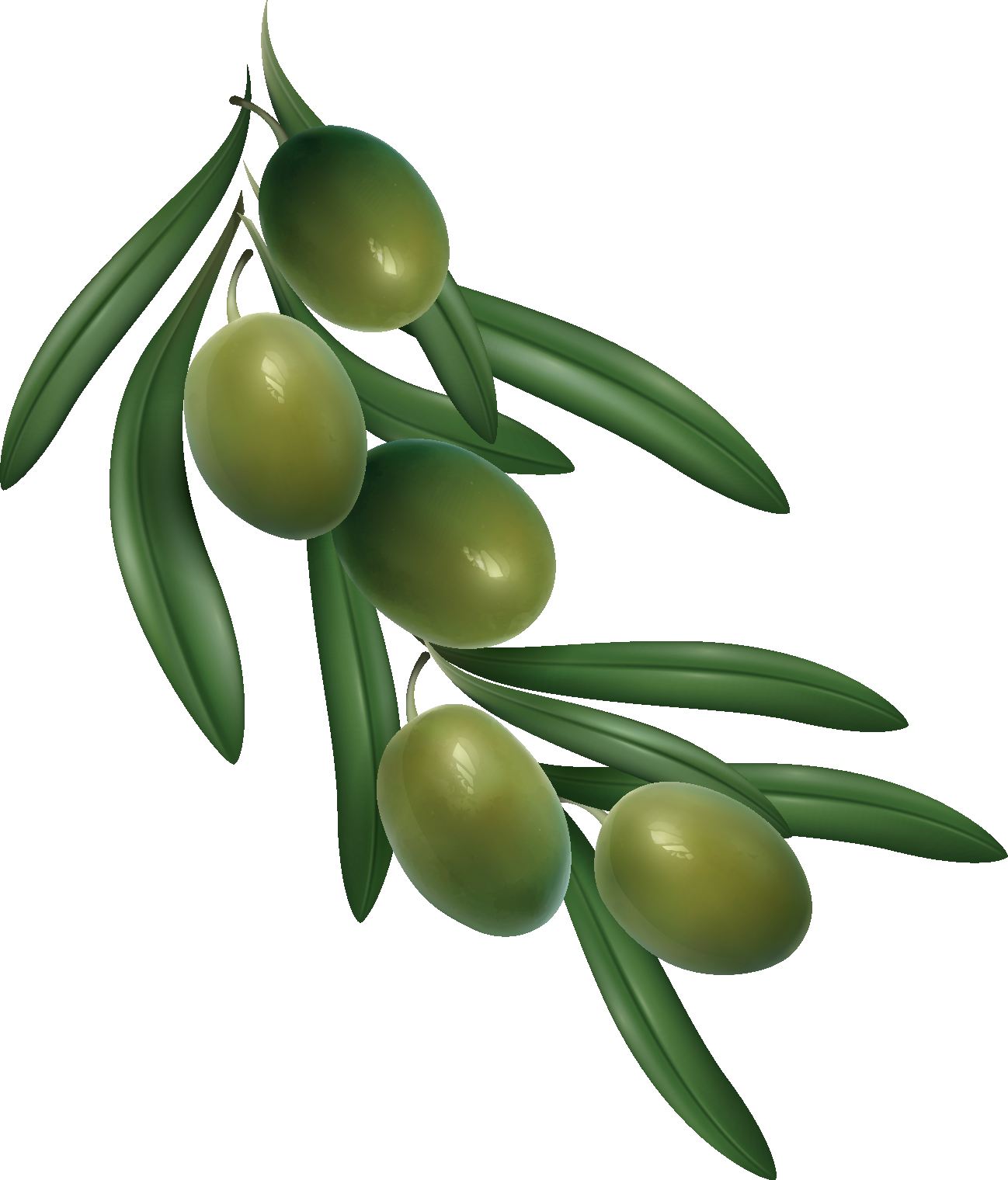
Souri olive oil begins with one of Lebanon's most familiar olives. The name comes from Sour, the Arabic name for Tyre, the ancient port city in South Lebanon. The International Olive Council lists the variety as Soury or Sorani, with roots in Tyre and groves in North and South Lebanon. We grow Souri olives in our family groves in Klayaa – Deir Mimas, then handpick them in autumn for our extra virgin olive oil.
Explore Daher Lebanese extra virgin olive oil in the 1 L bottle.
What is a Souri olive?
Souri is an olive variety used for both oil and table olives across the Levant. You may also see its name written Soury or Sorani. The International Olive Council's World Catalogue of Olive Varieties gives that Lebanese name and records both uses for the fruit. Olive Oil Times describes Soury as the most common olive variety in Lebanon. The same olive can be pressed for oil or cured for eating, although those are different preparations. When we talk about our Souri oil, we mean oil made from the olives grown in our own family groves in South Lebanon.
Where does it grow?
Souri grows in North and South Lebanon, according to the International Olive Council's Lebanese catalogue entry. Its roots are traced to Tyre in the south, but the variety is also grown across the wider Levant. Our groves are in Klayaa – Deir Mimas, South Lebanon. Knowing both the variety and the grove's location gives you a clearer picture of the bottle than a broad regional label alone. When you compare oils, read the stated origin on each bottle, then try them with the same food to notice what you enjoy.
Why is it called Souri?
Souri takes its name from Sour, the Arabic name for Tyre. Tyre is an ancient port city on Lebanon's southern coast. The International Olive Council identifies Tyre as the variety's place of origin, and the Olive Oil Times account explains the connection between Sour and the olive's name. It is an easy detail to remember when you see Souri or Soury on an olive oil label: the name points back to South Lebanon. Our family groves are in Klayaa – Deir Mimas, also in the south, where we grow the Souri olives used in our oil.
What does Souri olive oil taste like?
Souri oil is generally described as strong and aromatic, with fruitiness, some bitterness and a peppery finish. Those are descriptions of the variety, not a fixed formula for every harvest. The best way to meet a bottle is to pour a little into a small dish, smell it and taste it with plain bread. Then try it over hummus or labneh and notice how the food changes the experience. We describe our own oil as low acidity and invite you to taste its character for yourself. Store the bottle well so the oil you taste reflects the care that went into it.
How do we harvest and press it?
We handpick our Souri olives in autumn, then first cold press them. Those steps bring the fruit from our family groves to the oil that goes into our bottle. Harvest timing and handling can shape olive oil's aroma, so we prefer to tell you plainly how ours is made. We bottle the oil unfiltered, leaving the natural appearance of the fresh oil. For a first taste, put a small amount on bread before adding herbs or spices. You can return to the same bottle over several meals to learn how you like to use it.
Why is our oil unfiltered?
Our olive oil is bottled unfiltered, so tiny olive particles can remain in the oil and later settle at the bottom. A little cloudiness or sediment is a familiar sight in unfiltered oil. The particles can eventually affect flavor, which is one reason to enjoy an opened bottle within months rather than leave it in a cupboard for a long time. Keep the glass swing-top closed and store the bottle somewhere cool and dark, away from the stove. If you prefer a clearer pour, let the bottle stand and pour gently to leave settled particles behind.
What makes our groves special to us?
Our family groves in Klayaa – Deir Mimas are home to Souri olive trees, some of which have stood for more than three centuries. We return to those groves each autumn to handpick the olives. That connection between place, fruit and harvest is the story we want to share when we bring the oil to your table. The oil is first cold pressed, bottled unfiltered and offered in a glass swing-top bottle. The 1 L product page shows the current offer, and the smaller 500 mL page is there if that size better suits your kitchen.
How can you use Souri oil at the table?
Souri oil is easy to explore in simple Lebanese dishes. Spoon a little over hummus after you spread it on a plate, or mix it with lemon to dress tabbouleh just before serving. Set a shallow dish of oil beside warm bread and za'atar so everyone can try a small dip. For labneh, make a well with the back of a spoon and add oil at the table. Taste each dish before adding more; a few small pours teach you more about an oil than one large pour at the start. After the meal, close the bottle and return it to a cool, dark cupboard.
How should you choose and store a bottle?
Choose a bottle by its variety, stated origin, size and how often you plan to use it. The larger 1 L size suits a kitchen that reaches for olive oil regularly; the 500 mL size offers a smaller option. Our product pages show current price and availability. At home, keep the swing top closed and protect the oil from light and heat. Enjoy an opened unfiltered bottle within months, pouring gently if particles have settled. We ship within the United States only: free US shipping, delivered in 3–5 days.
Frequently asked questions
Is Souri an olive variety or an oil grade?
Souri is an olive variety. Extra virgin is an oil grade. A bottle can name both, but one term does not prove the other.
Why is it called Souri?
The name comes from Sour, the Arabic name for Tyre, the ancient port city in South Lebanon.
What does Souri oil usually taste like?
The variety is generally described as aromatic and fruity, with bitterness and a peppery finish. Taste each bottle for its own character.
Where are Daher's Souri olives grown?
They come from family groves in Klayaa – Deir Mimas, South Lebanon.
Is Daher Souri olive oil filtered?
No. Daher states that its oil is bottled unfiltered.
Sources: International Olive Council: Soury or Sorani (Lebanon) · Olive Oil Times: Lebanese olive oil